How Do I Publish My Poetry Book?
So, you’ve finished a poetry manuscript. Congratulations! It’s a big deal, if I say so myself. You’ve written the poems, edited them, had some friends read them and give feedback (hopefully) and now you’re wondering what’s next.
Unfortunately, your journey isn’t quite done. As someone who’s travelled this path before, hopefully I can give a little bit of guidance when it comes to navigating publishing poetry.
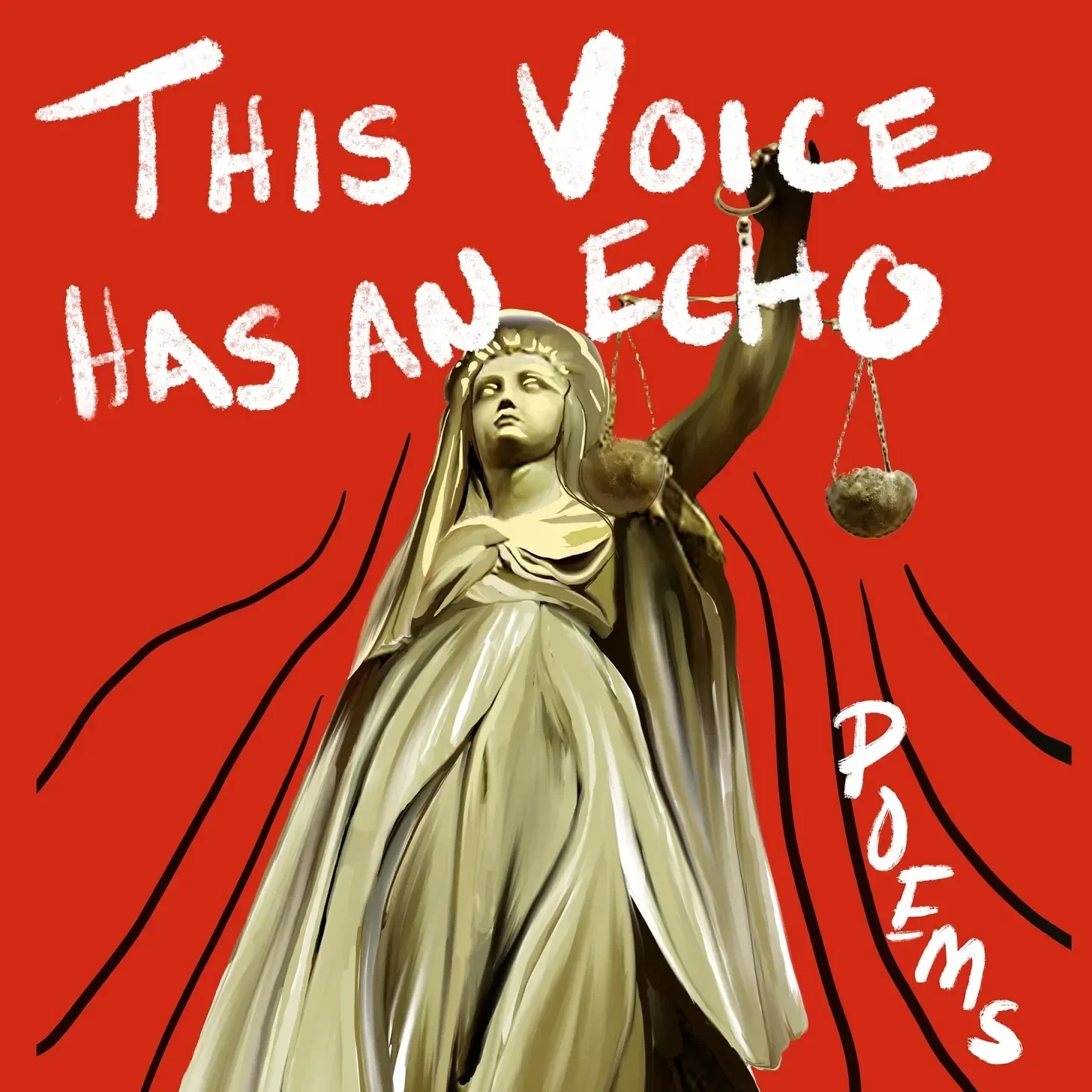
This Voice Has an Echo by Emma McCoy
What does the process actually look like? Why didn’t I self-publish or try to get Penguin Random House to take my book? These are both questions that I’ve gotten at some point and had to figure out how to answer, because on my higher education journey I’ve picked up a decent amount of information on the independent publishing scene and what it means to try to get your work out there.
Before I really get into it, there are basically three main ways to publish a book:
Self publishing. With platforms like Amazon offering print on demand and design services, anyone can turn their manuscript into an e-book or print book with their own financial investment.
Strengths: control over your own project, no barriers, and a quick turnaround. -
Weaknesses: you put the money up, you have to advertise, and you have to make sure your book stands out in a saturated market.
Small/indie publishing. There are lots of what are known as small presses, or independent presses, particularly after COVID when folks found the time to pursue personal projects. Presses like Greywolf, June Road, Finishing Line, and others can make some truly high-quality books, often curating a specific kind of book list that matches an aesthetic.
Strengths: you don’t need an agent to submit to a small press, you have pretty good input and control over your project, and they’re more likely to take experimental or works with less marketability.
Weaknesses: low royalty payments, smaller audiences, lower marketing budget.
Traditional publishing. There’s a group of publishers known as “The Big Five” who control most of the US book market: Hachette Book Group, HarperCollins Publishers, Macmillan Publishers, Penguin Random House, and Simon & Schuster. These publishers fill the bookstores, put books on the bestseller list, and largely publish the books that get nominated for and win prestigious literary prizes. For many, getting a Big Five book deal is what it means to “make it.”
Strengths: large marketing budget, advances and bigger royalties, placement in physical bookstores, credibility, and visibility
Weaknesses: high barriers to access, very little control over your project.
There are lots of reasons anyone would choose any one of these options for their creative project. There’s give and take and pros and cons to each one (such as traditional publishing horror stories of terrible covers and changed titles) and it often depends on what the author wants.
For me, I got to the end of writing This Voice Has an Echo and I knew I would be going with a small press. I doubted a poetry book on Old Testament prophecy had any market appeal, and I didn’t want to do everything myself with self-publishing. So I did some research, found Solum Press, and knew they’d be a good fit. They publish Christian work, had a great book list, and a robust author contract.
Poetry doesn’t typically get accepted by Big Five publishers unless the poet is incredibly famous, like Billy Collins or Louise Gluck. Typically, an independent or smaller press is going to be more accepting of work that doesn’t sell very well, like poetry or experimental prose. I loved working with Solum because I still had some measure of control over my book, where I got to work with an editor on the final drafts, give my feedback on the cover, and choose the inside font.
In the future, I might change it up based on the project or where I’m at in life. Traditional publishing, while harder to break into, might be the move, or I could continue with small presses if my writing takes an experimental or niche turn (though I doubt I could get even more niche). Either way, I’m happy with where I went with TVHAE, and if you’re interested, you can check it out here:
So depending on what your goals might be, self-publishing or going with a small press might be the right move for your book. Whatever you choose, make sure to think all the way through the process and consider how much time and money you have to devote to your project.
Are you interested in self-publishing but need someone to read your manuscript? Give feedback, edits, and help make it the best it can be? Consider bring me on as a set of expert eyes! Schedule a consultation HERE!